What is Diastasis Recti?
After pregnancy, many women notice changes in their belly. One common issue is diastasis recti. This means the muscles in the middle of your stomach have separated. Because of this, a gap forms between the left and right sides of your abdominal muscles. Managing diastasis recti after pregnancy is important for your health and comfort. Postpartum abdominal separation can affect how you move and feel. It is common, but with the right care, you can heal.
Common Symptoms After Pregnancy
Many women do not realize they have diastasis recti. However, some signs can help you spot it early. Knowing these symptoms helps you seek help sooner. Look for these common signs:
Sometimes, you may also notice bloating or trouble with digestion. If you see these signs, it is wise to talk to a healthcare provider.
Causes and Risk Factors
During pregnancy, your body changes to make room for your baby. As your belly grows, the tissue between your abdominal muscles stretches. This can lead to diastasis recti. But, some factors make it more likely:
Even though anyone can get diastasis recti, these risks make it more common. Knowing the causes helps you take steps to prevent it.
How Diastasis Recti is Diagnosed
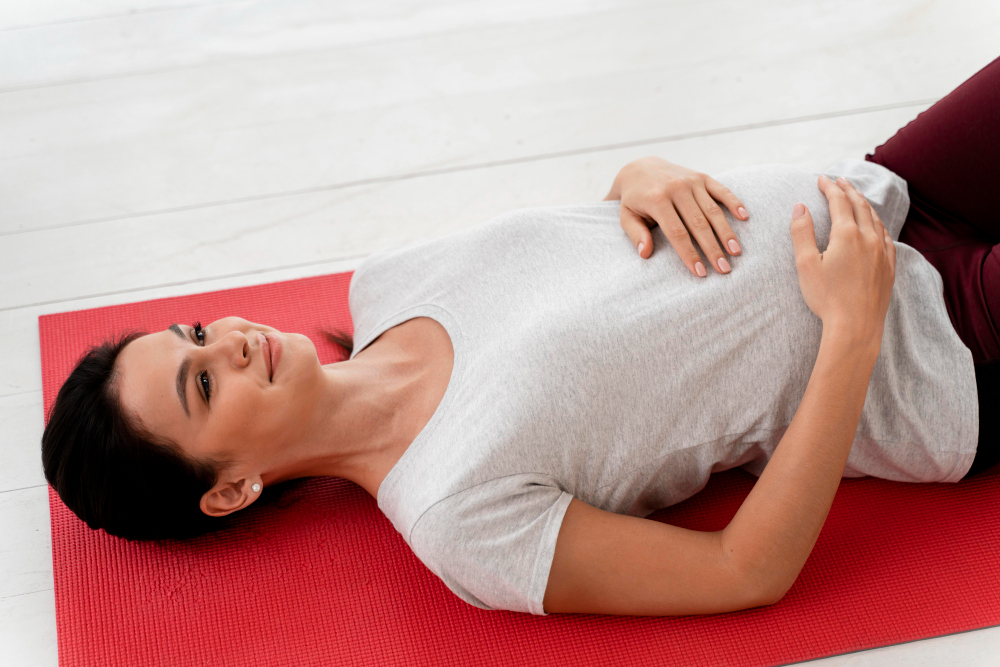
Doctors and physiotherapists can check for diastasis recti with a simple exam. First, you lie on your back and bend your knees. Next, you lift your head slightly. The provider gently presses along your midline to feel for a gap. If the gap is wider than two finger-widths, you may have diastasis recti. Sometimes, an ultrasound or special scan is used for a clearer view. Early diagnosis helps you start safe exercises for diastasis recti and avoid further problems.
Effective Physiotherapy and Rehabilitation Approaches
Physiotherapy for new mothers is a safe and proven way to heal diastasis recti. A trained physiotherapist will guide you through gentle exercises. These help strengthen your core and close the gap. Here are some common approaches:
According to the American Physical Therapy Association, regular physiotherapy can improve muscle strength and reduce symptoms. For best results, visit physiotherapy clinics near you for a personalized plan.
Home Exercises and Lifestyle Tips
Many women ask how to heal diastasis recti naturally. While physiotherapy is best, you can also try safe exercises at home. Always check with your doctor before starting. Here are some tips:
In addition, eat a balanced diet and stay hydrated. These steps help your body heal faster.
Prevention and When to Seek Help
Although not all cases can be prevented, you can lower your risk. Here are some simple prevention tips:
However, if you notice a bulge, pain, or weakness that does not improve, seek help. Sometimes, diastasis recti can lead to hernias or other issues. Therefore, it is important to consult a healthcare provider or physiotherapist if you have concerns.
Conclusion
Managing diastasis recti after pregnancy is possible with the right care. Early diagnosis, safe exercises, and guided physiotherapy can help new mothers heal effectively. If you have symptoms or concerns, getting timely support can make a big difference in recovery.
Consult a qualified physiotherapist at Sprint Women Wellness Center for personalized guidance on managing diastasis recti after pregnancy.